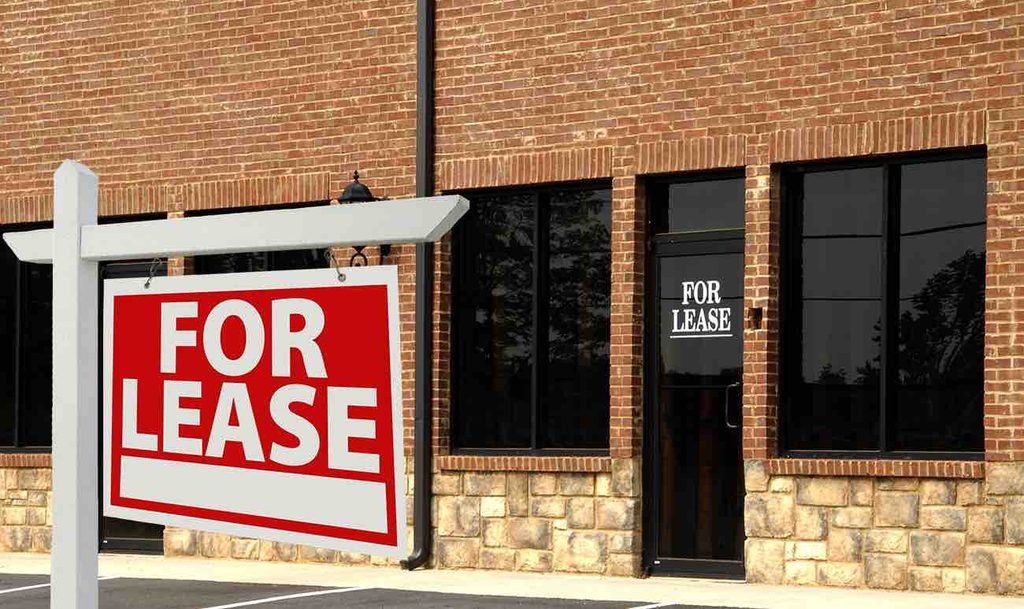
If you have visited a dentist next to a grocery store or an urgent care clinic in a shopping center, you have seen medtail in action.
Medtail is one of the options healthcare providers may consider when looking for a location. But how is it different from a traditional medical office building?
As a commercial real estate broker with a background in dentistry, I find that understanding the distinction is helpful for healthcare providers, landlords, and investors.
What Is a Medical Office Building?
A medical office building, often called an MOB, is a property primarily used by healthcare providers.
Some are located on or near hospital campuses. Others are found in professional office developments or elsewhere in the community. Their tenants may include physicians, dentists, specialists, physical therapists, and diagnostic service providers.
Depending on the property, a medical office building may already have examination rooms, accessible entrances, and other features that support healthcare use. Being near other providers may also be convenient for patients and helpful for professional connections.
What Is Medtail?
Medtail combines healthcare services with a retail setting.
A medtail tenant might occupy a storefront in a shopping center, a freestanding building near retail businesses, or space inside a larger store. Examples include dental practices, urgent care clinics, vision care providers, and physical therapy offices.
Retail locations may offer visibility, signage, and convenient parking. They may also allow patients to combine an appointment with other errands.
The Main Difference between Medical Office Buildings and Medtail
A medical office building is generally a property focused primarily on healthcare offices. Medtail describes healthcare services offered in a retail environment.
There can be overlap. Both can provide medical or dental services, and either can be located away from a hospital. The best way to evaluate a property is to look at its location, layout, accessibility, and lease terms.
In Part 2, I’ll discuss how healthcare providers can compare these options when choosing a location for their practice.
Are you looking for medical or dental office space? I would welcome the opportunity to learn about your practice and help you explore your options.
Sharon Kantor Bogetz, MEd, MBA
Commercial and Residential Real Estate Broker
Century 21 Universal Real Estate
847-370-9131 | Sharon.Bogetz@gmail.com